
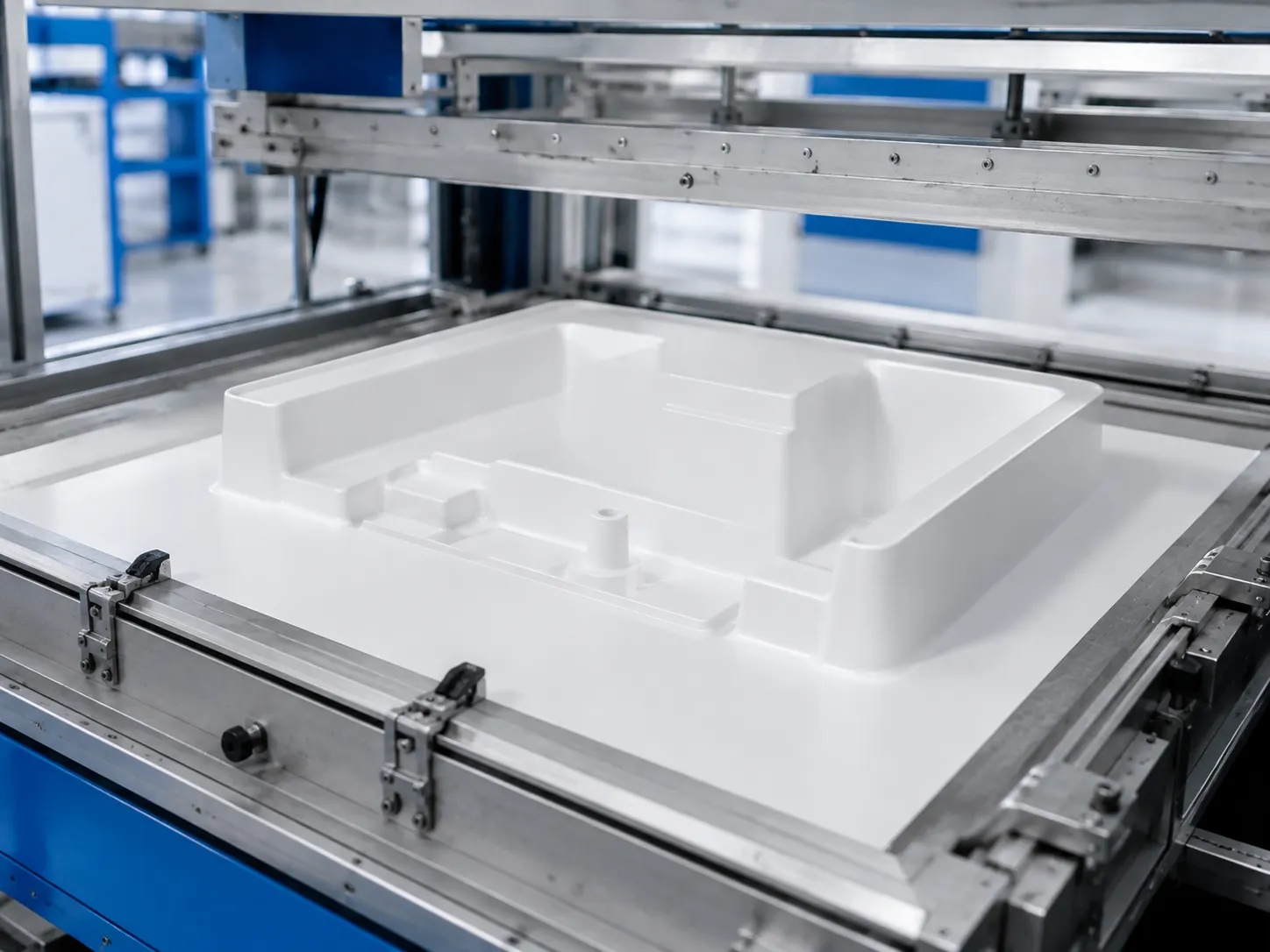
Thermoforming & Vacuum Forming
Vacuum forming of thermoplastic sheet and film to the geometry of purpose-made tooling, from a prototype or first-off part through to repeat and series manufacturing.
More about thermoformingDevelopment · Tooling · Thermoforming · Finishing
Thermoforming and vacuum forming of custom plastic parts from a technical drawing, digital 3D model, physical sample or defined requirement — from product and part development and design, through tooling, to manufacturing and finishing.
SERVICES
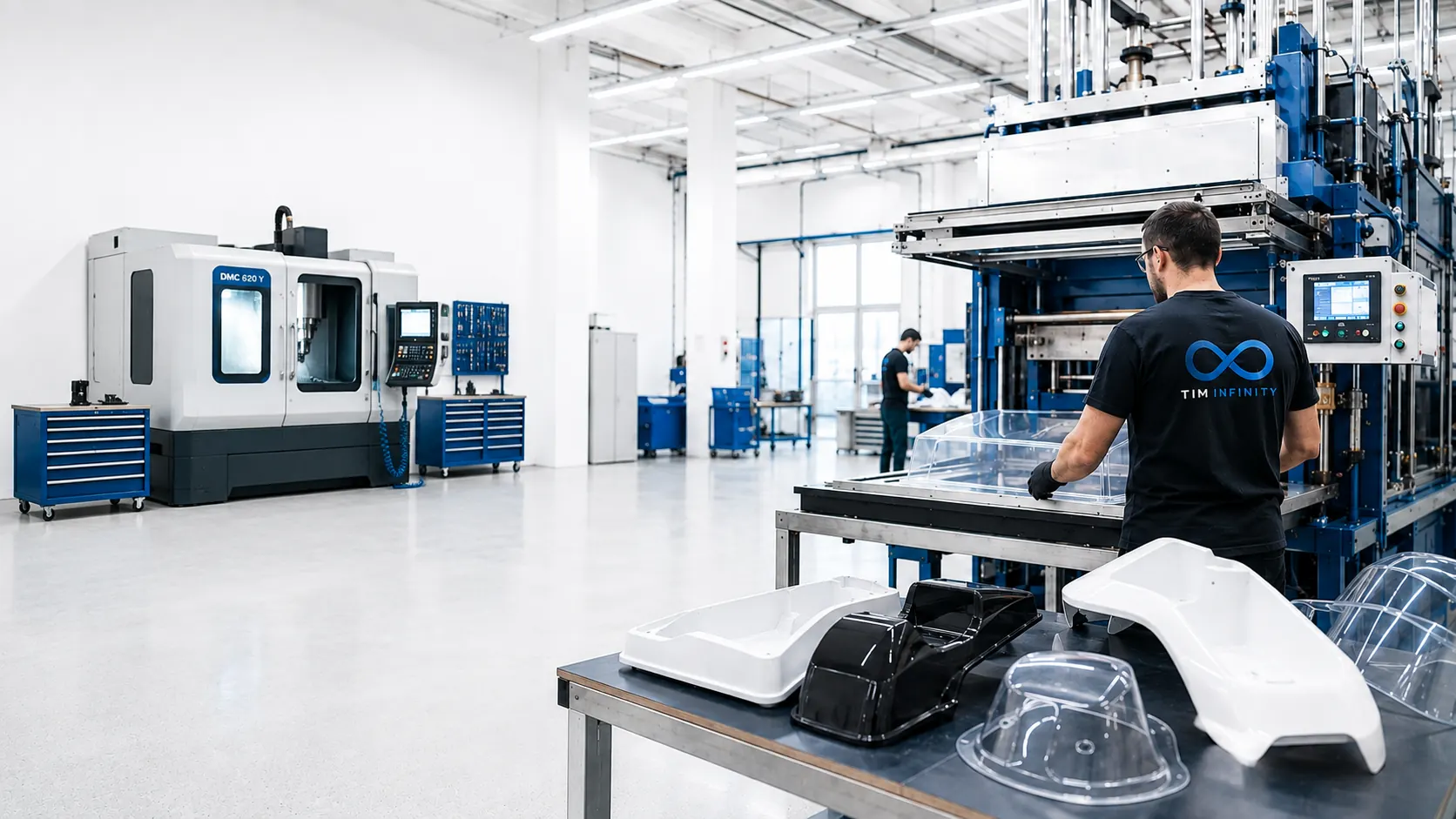
TIM Infinity has extensive experience in manufacturing plastic parts by vacuum forming and thermoforming for a range of industrial applications.
Our team can provide an individual service or combine part development and design, thermoforming tooling, prototyping, series manufacturing and finishing within the same project.
Vacuum forming of thermoplastic sheet and film to the geometry of purpose-made tooling, from a prototype or first-off part through to repeat and series manufacturing.
More about thermoforming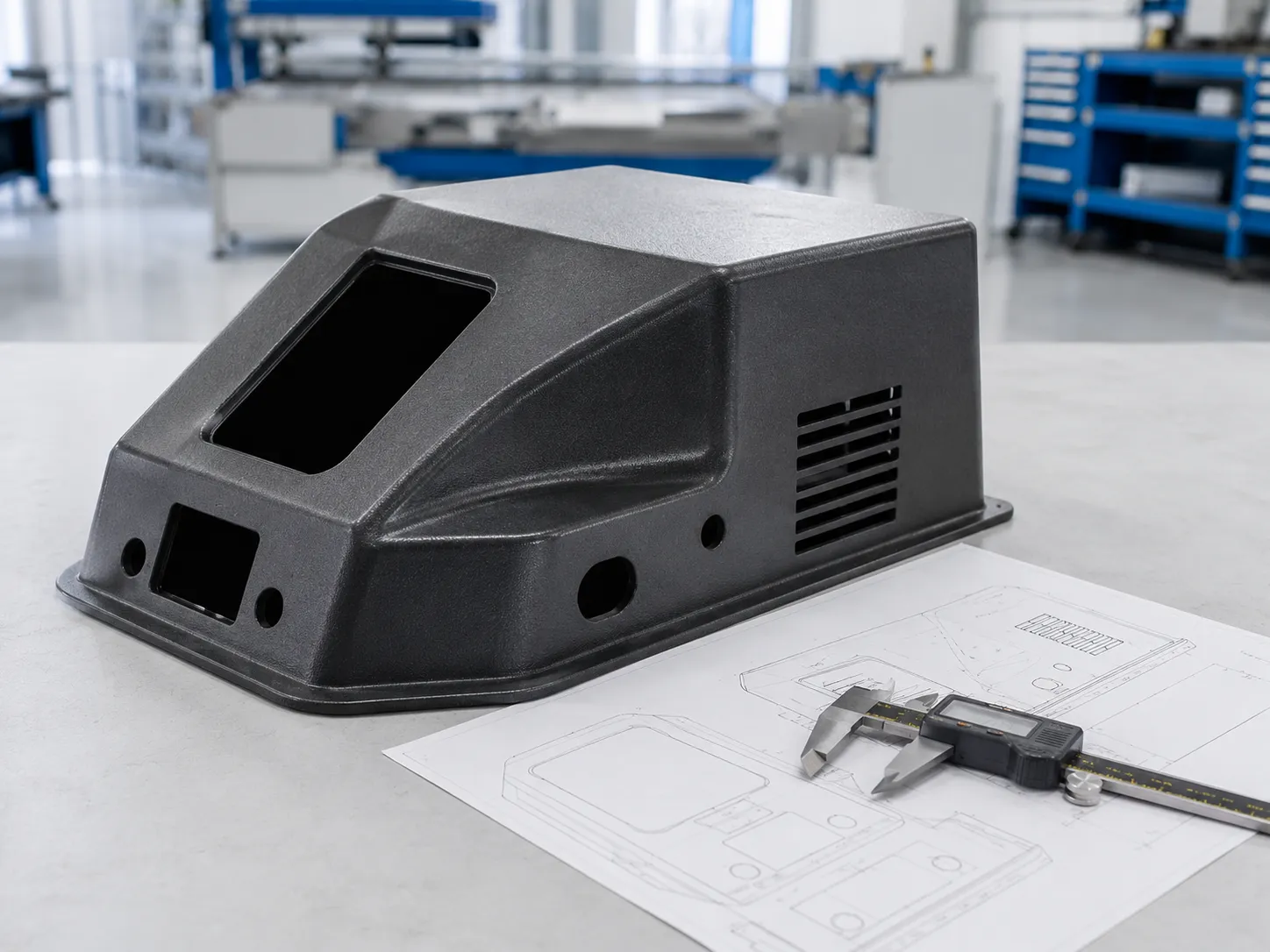
Development and manufacture of housings, fascias, cladding, panels and other plastic parts from technical documentation, a 3D model, a physical sample or a defined requirement.
More about custom plastic partsPROJECT APPROACH
A project does not have to start with complete technical documentation. The starting point can be a technical drawing, a 3D model, a physical sample or a clearly defined requirement.
At the beginning, we assess the intended use, geometry and dimensions of the part, material selection, required quantity and finishing requirements.
Based on this information, we determine whether vacuum forming and thermoforming are the right manufacturing processes and define the next stages of the project.
TECHNICAL CAPABILITIES
TIM Infinity has a maximum working area of 1650 × 800 mm, a maximum draw depth of 300 mm and a material thickness range of 0.1 to 5 mm. These figures describe the working range of the thermoforming process; they do not mean that every finished part can have the same external dimensions.
The feasibility of a specific thermoformed plastic part also depends on its geometry, required draw depth, radii and transitions, and on material distribution during forming. The realistic maximum part size is therefore assessed individually for each product.
More about thermoforming and vacuum formingPROCESS
Depending on the stage of the project, TIM Infinity can take on an individual step or the complete process — from development and design of the plastic part, through tooling, prototyping and thermoforming, to series manufacturing and finishing.
01
An existing idea, sketch, physical sample or digital model is assessed against the intended use, geometry and product requirements, and then adapted to the capabilities of thermoforming, the selected material and the planned finishing method.
02
The tool is designed around the geometry of the part, the selected material, the planned manufacturing method and the requirements of subsequent finishing. Once these requirements are defined, the appropriate tooling material and manufacturing method are selected.
Thermoforming tooling design and manufacture03
A project may focus only on a prototype, first-off or single plastic part. This allows geometry, appearance, fit and other important characteristics to be checked before a decision is made on further manufacturing.
If further quantities are required, the project can move into series manufacturing once the part has been approved.
04
A thermoplastic sheet is heated until the material becomes suitable for forming and is then shaped to the tooling geometry using vacuum.
After forming, the thermoformed part is cooled to the required stability and released from the tool.
05
Once the plastic part and manufacturing process have been approved, repeat manufacturing is possible in the quantity required by the specific project.
There is no universal predefined minimum or maximum quantity. The required quantity is determined by the customer according to the product requirements and budget of the specific project.
06
After thermoforming, the plastic part can be trimmed, drilled, fitted and further processed as required.
Finishing can include CNC or manual trimming, drilling, fitting and assembly, bonding or joining, and painting.
APPLICATIONS
Thermoforming is used for a wide range of products and technical solutions — from housings and cladding for industrial equipment and devices, through components for transport, lighting and electronics, to advertising, retail and display systems. It is suitable for products requiring formed surfaces, covers, fascias, panels, application-specific plastic elements or transparent protective parts.
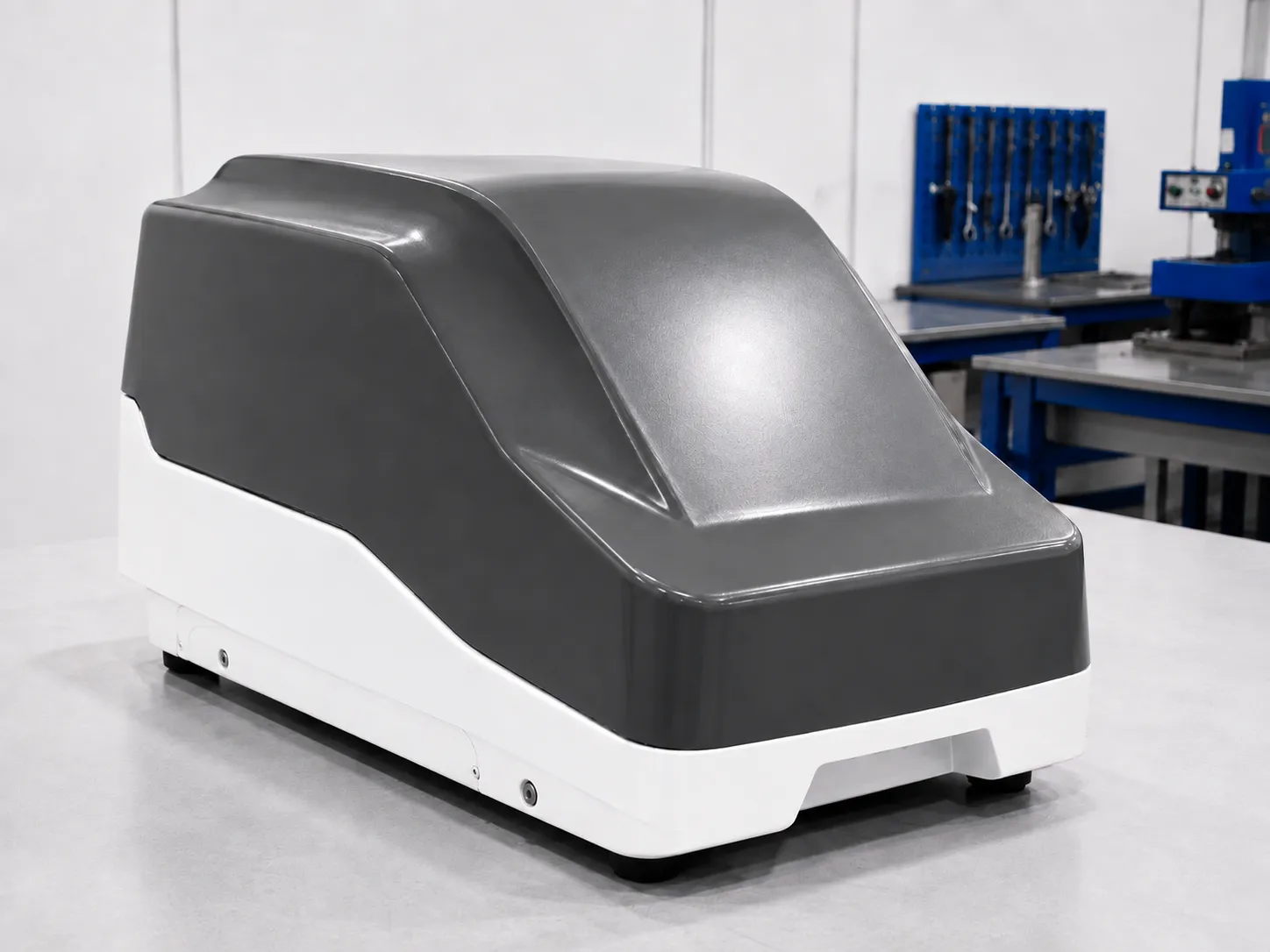
Thermoformed plastic housings, covers and protective elements matched to the geometry of a specific device or product.
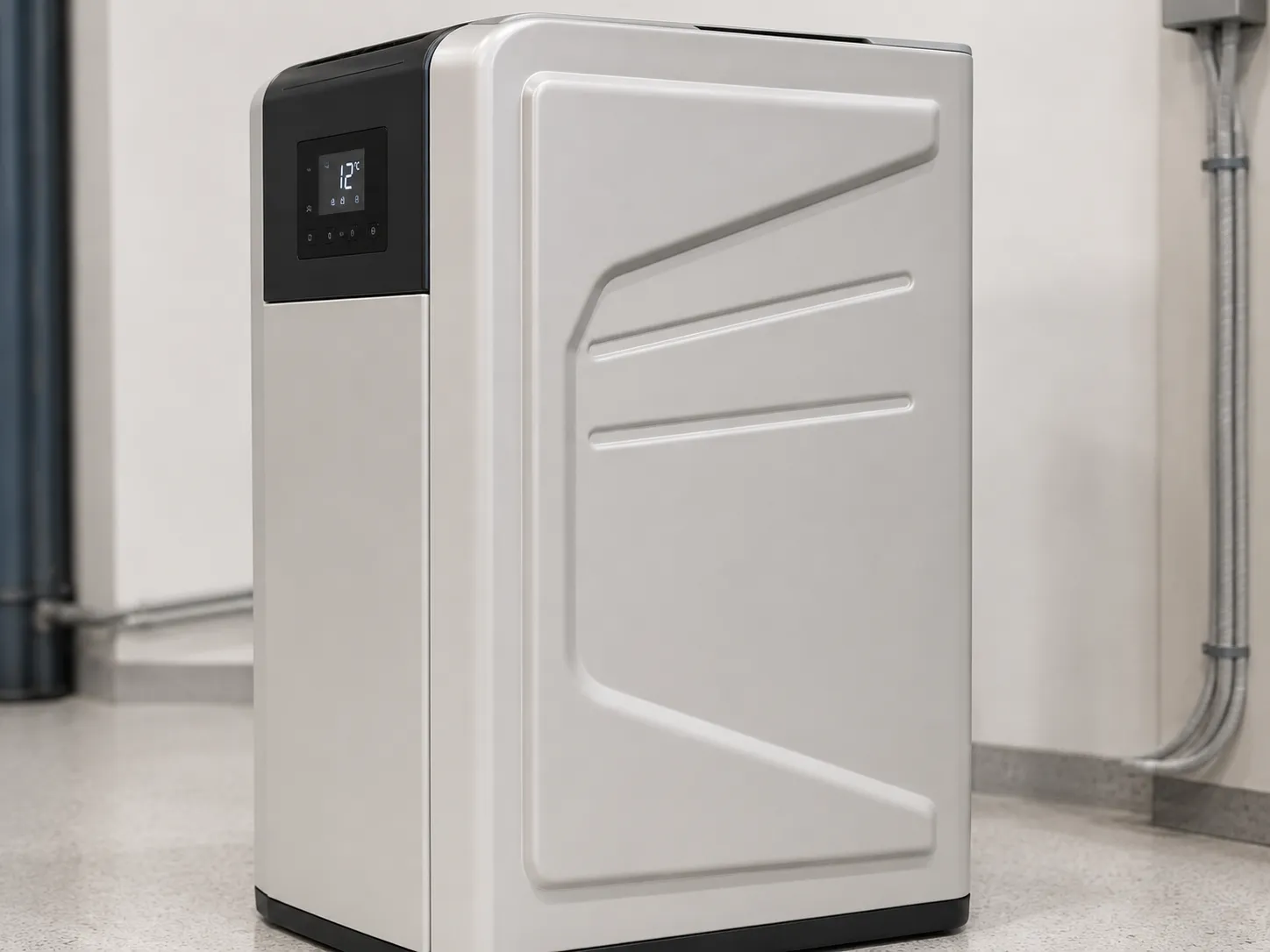
External and internal fascias, cladding and panels where shape, appearance, protection and fit with the rest of the product are important.
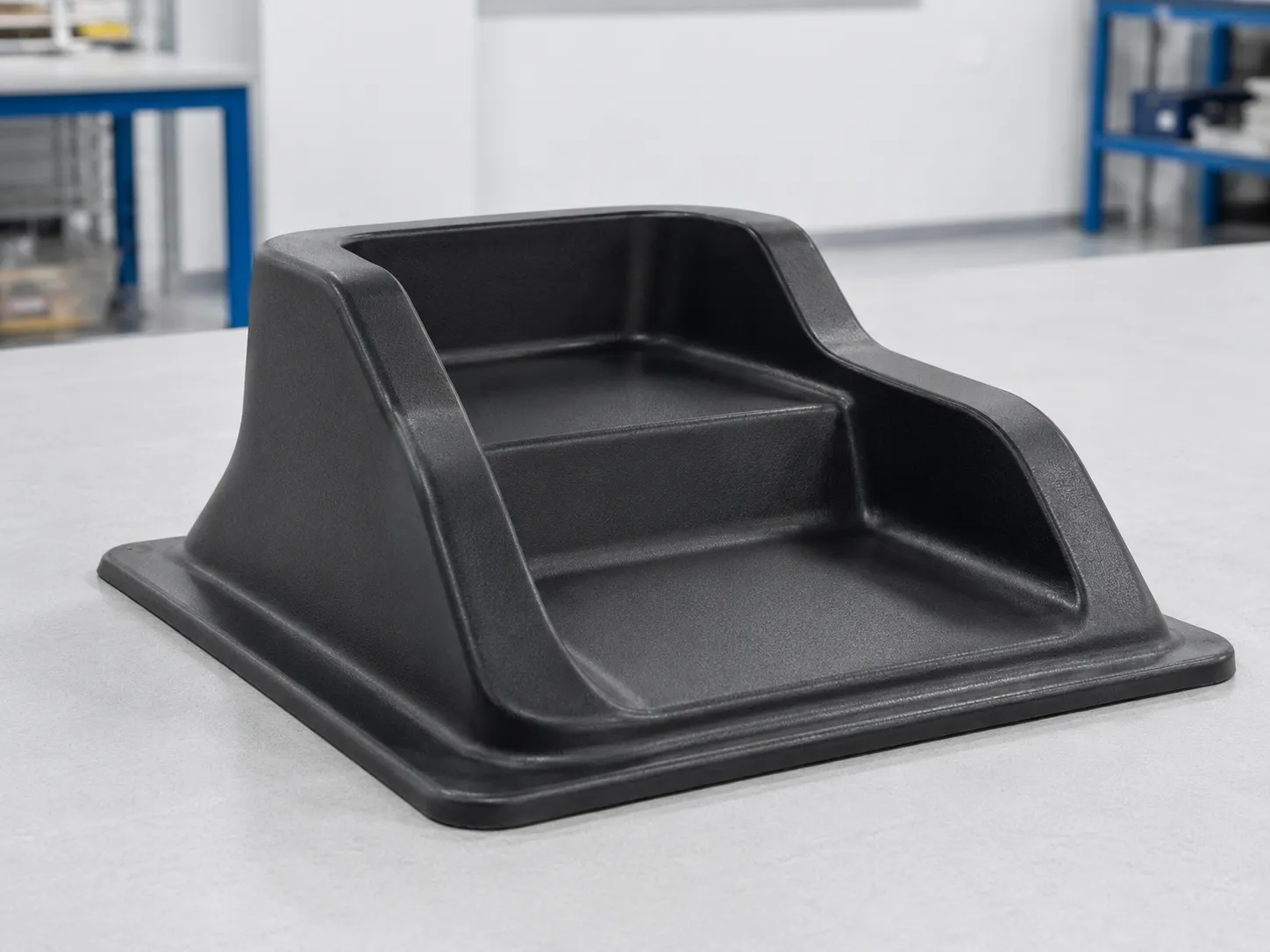
Application-specific technical vacuum-formed and shaped parts manufactured from a drawing, 3D model, physical sample or defined requirement.
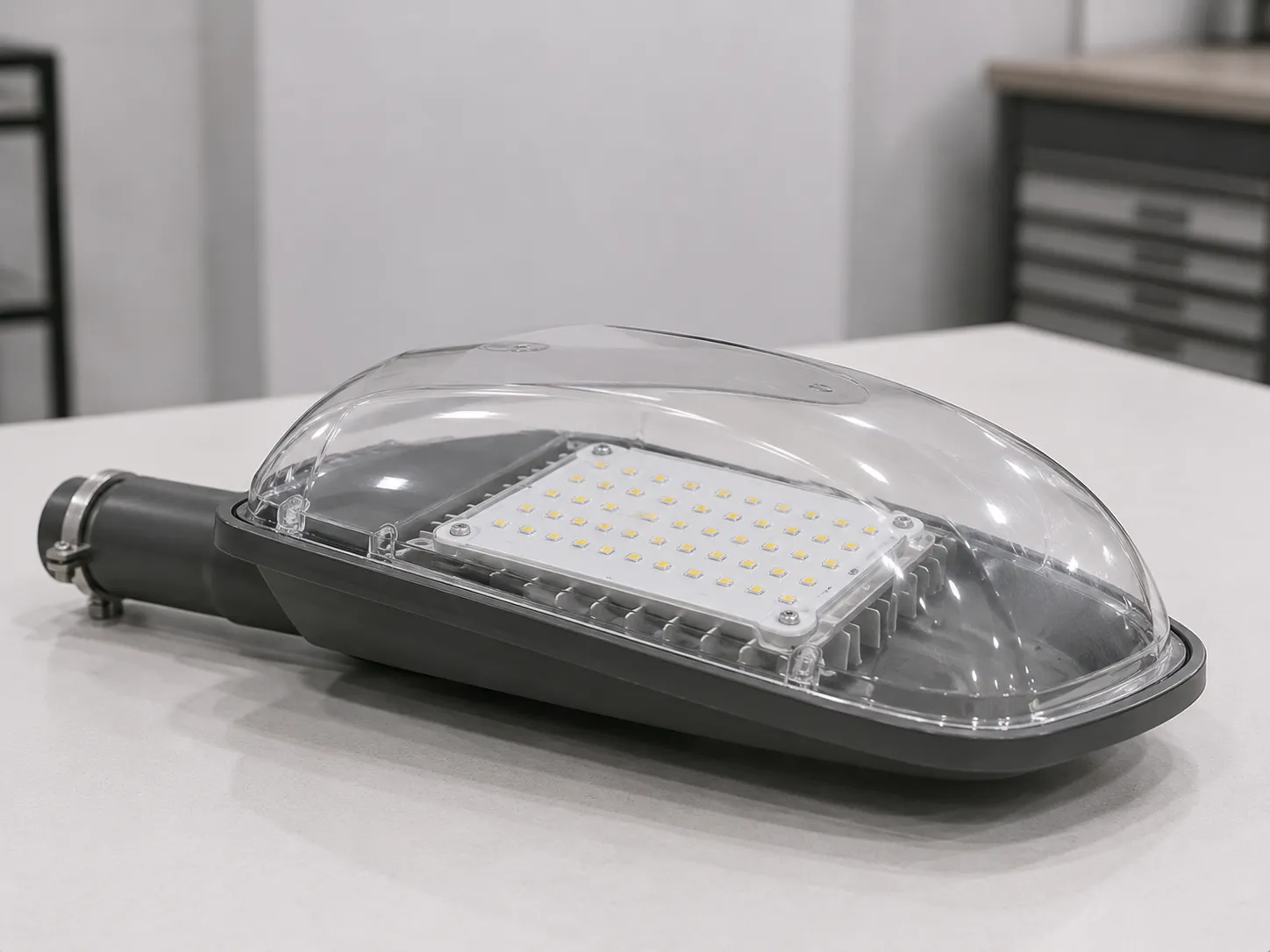
Clear and transparent components for applications where visibility, protection and a formed surface are important.
MATERIALS
We use a range of thermoplastic materials to manufacture plastic parts. Material selection depends on the intended use, part geometry, mechanical and optical requirements, surface appearance and finishing.
Depending on the project, we work with:
PS / HIPS · ABS · PETG · PVC · PMMA (acrylic) · PP · PE
The material is not selected independently of the product. The choice is matched to the specific geometry and function of the plastic part.
Thermoforming materials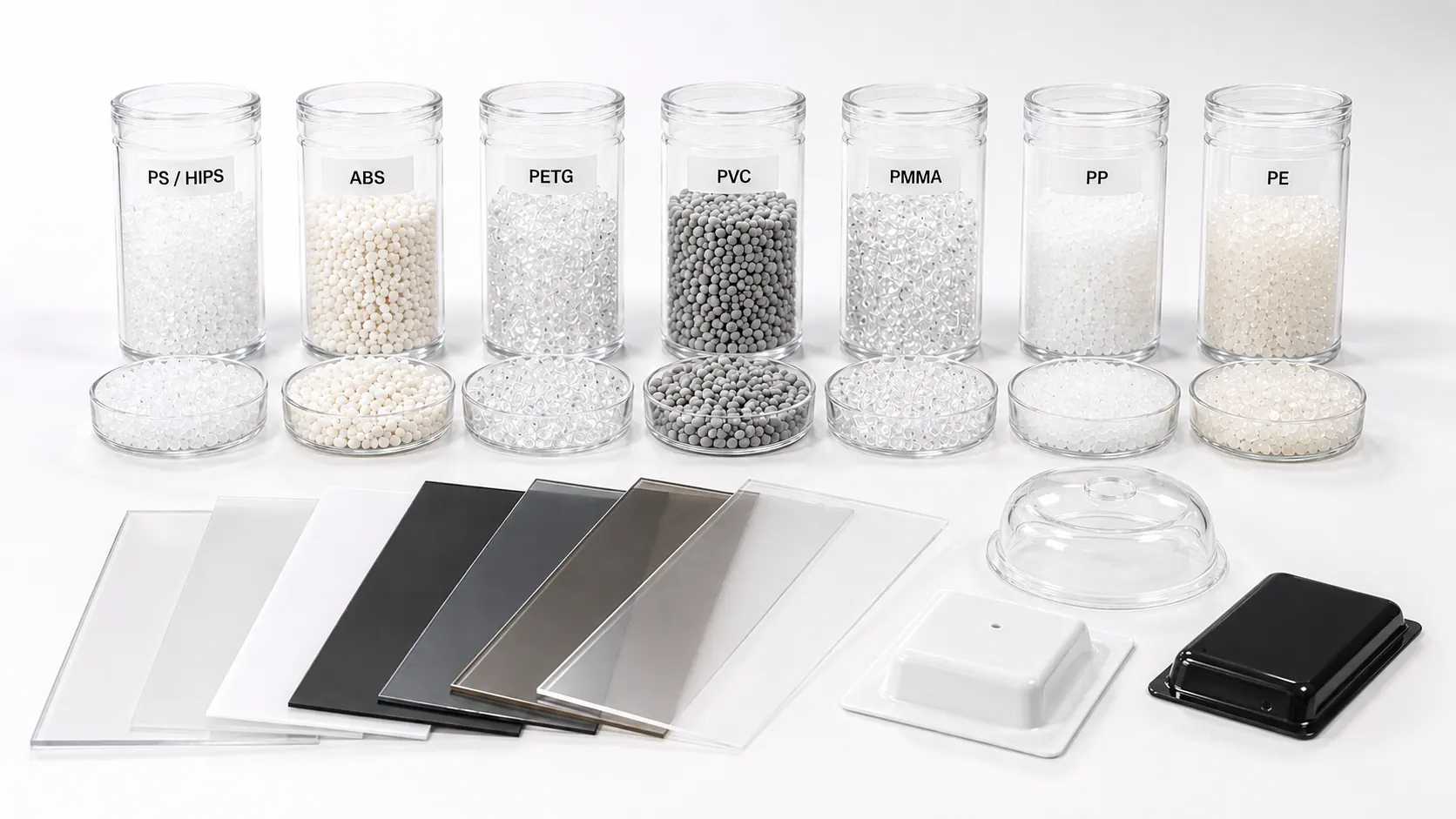
REAL TIM INFINITY PROJECTS
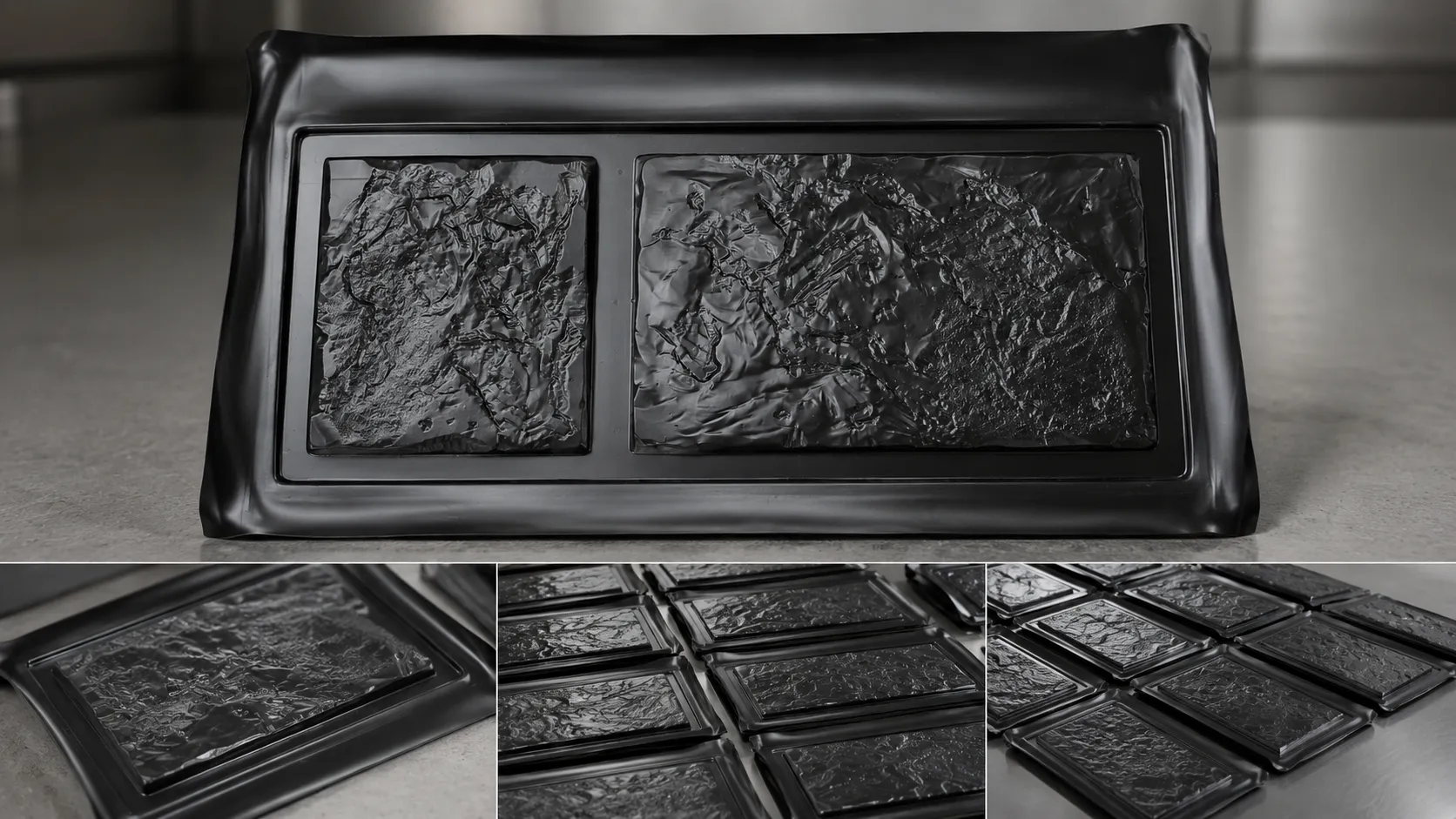
ABS 1.2 mm · MDF tool · 100 pieces
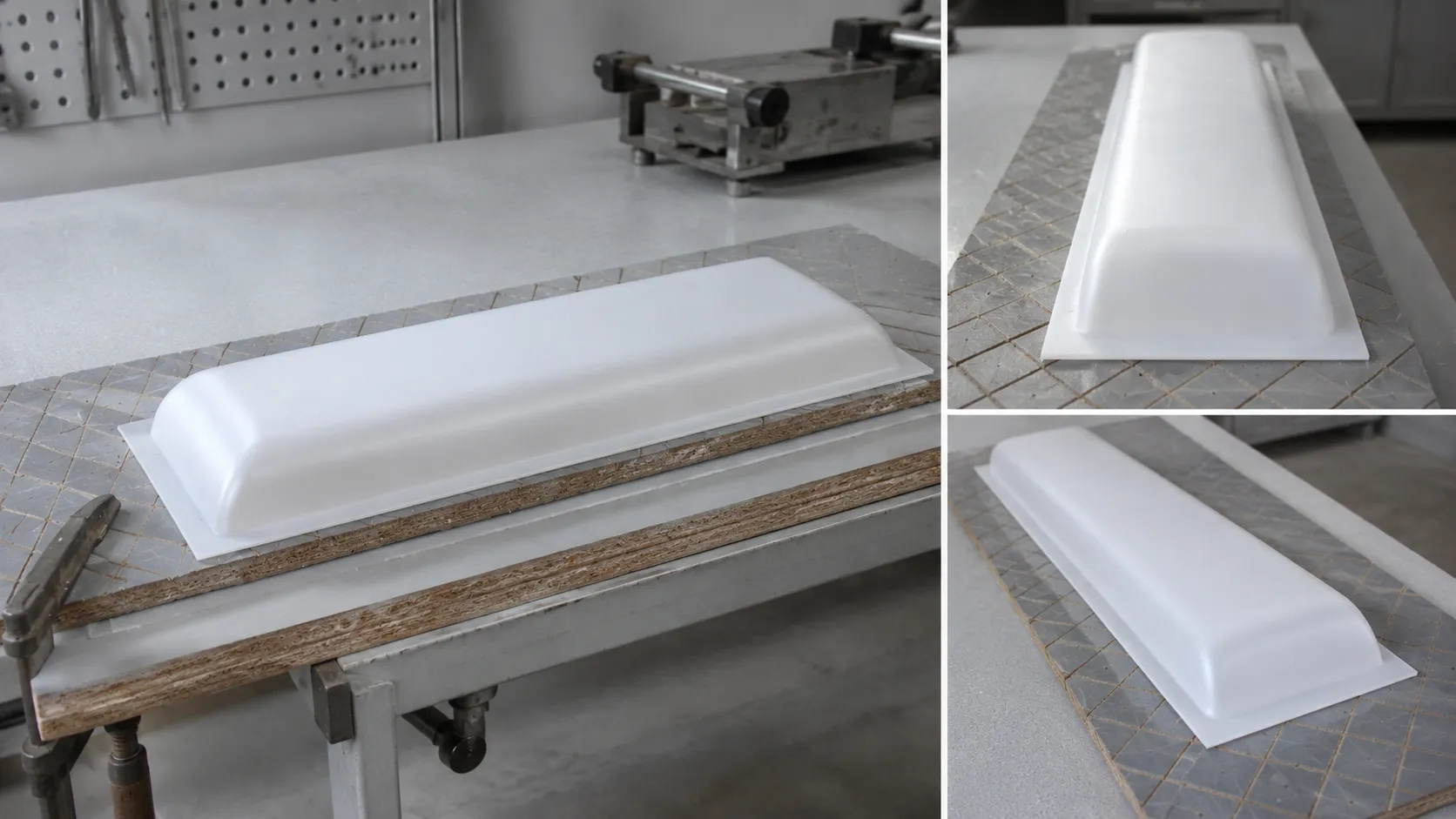
White ABS 3 mm · production run of 350 pieces
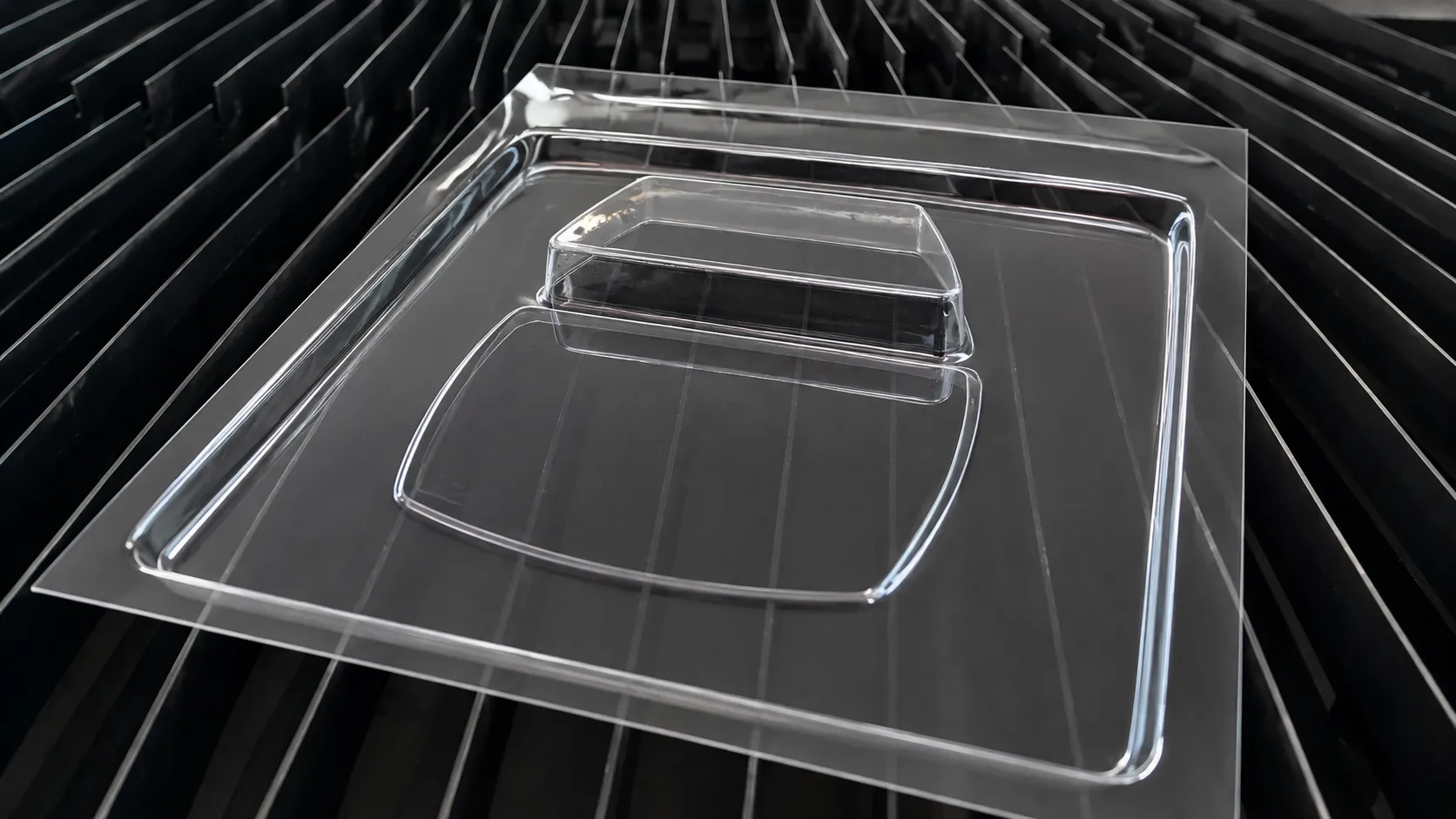
PMMA XT 3 mm · prototype + 30 pieces
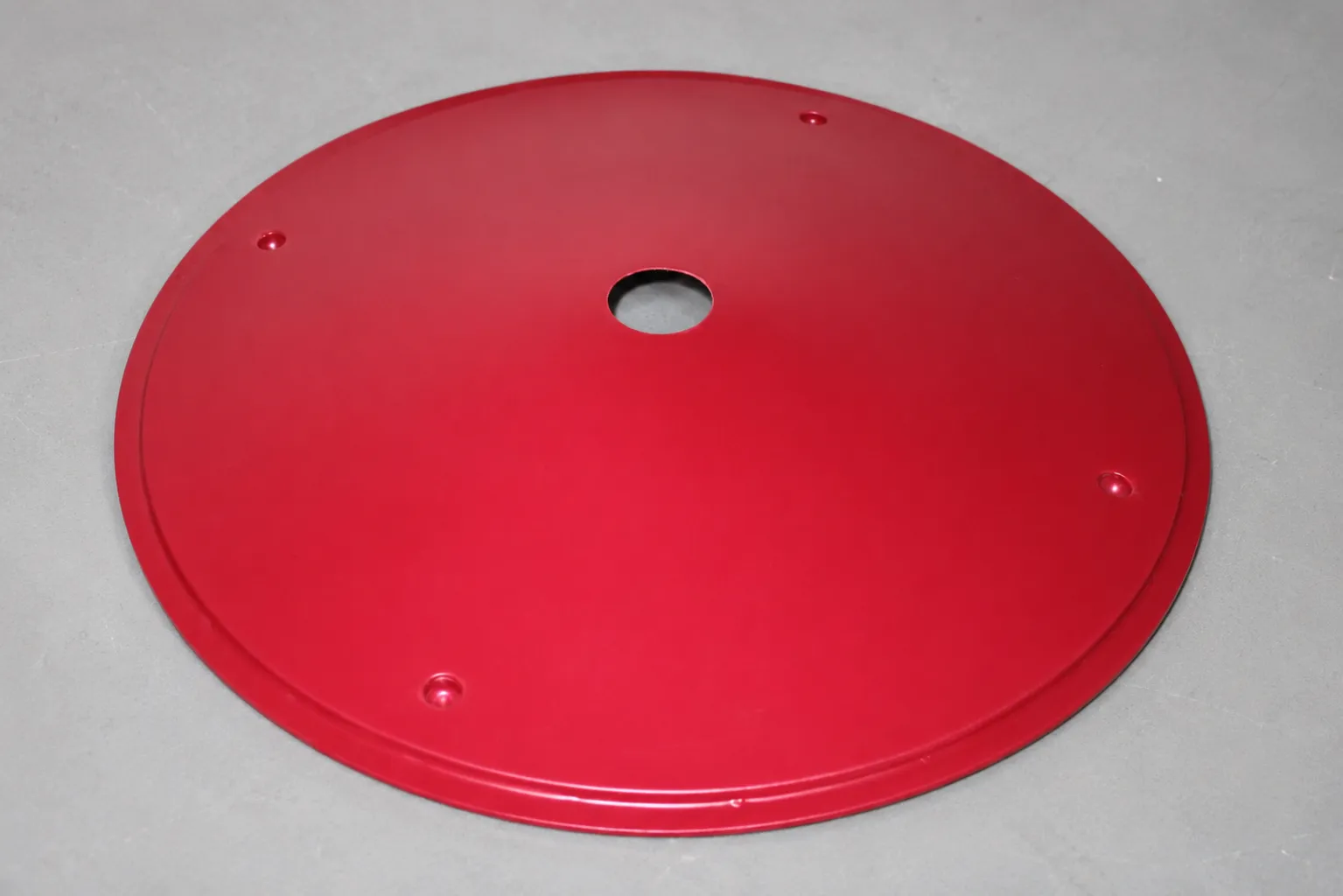
PS 2 mm · prototype + 50 pieces
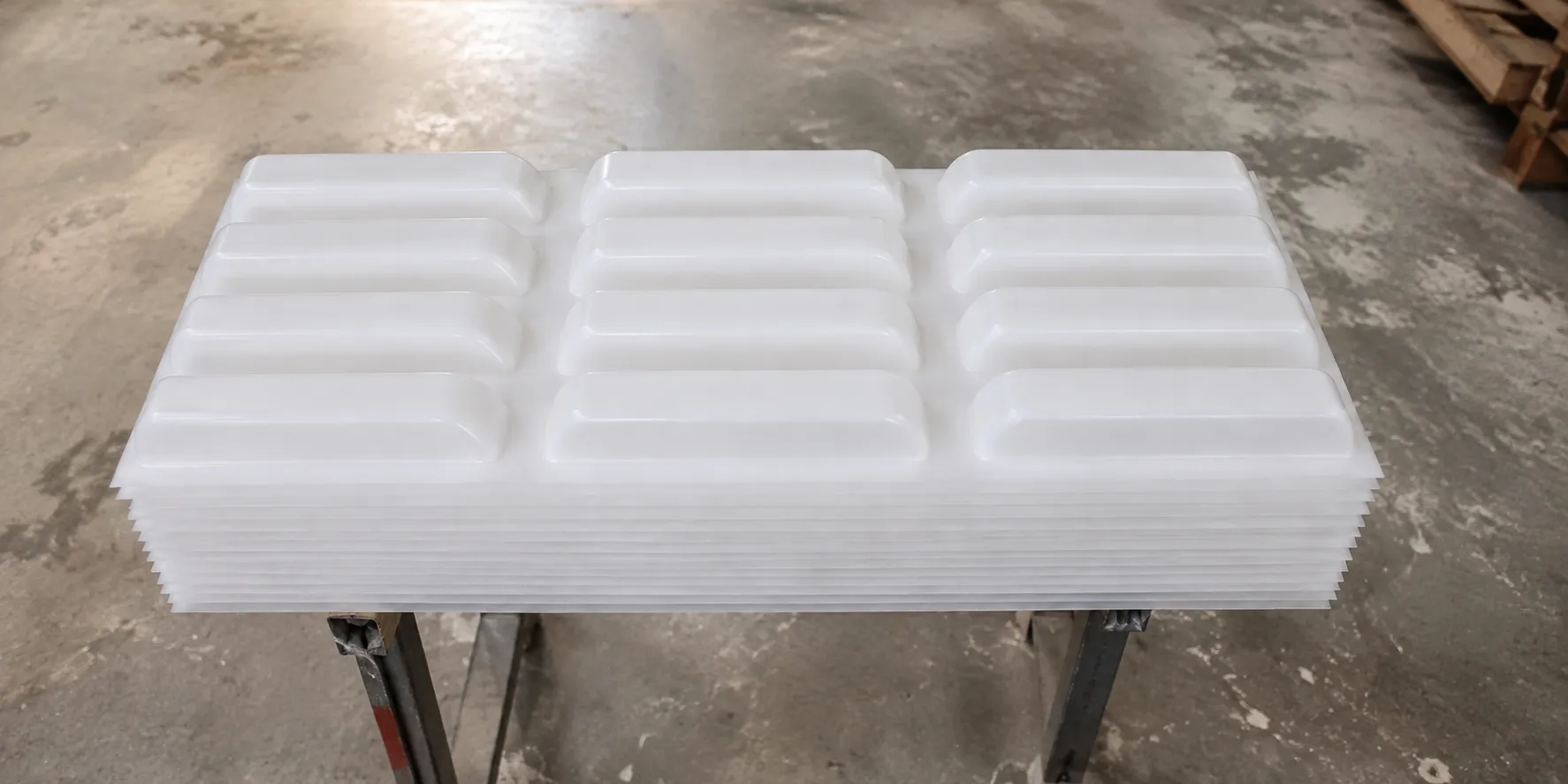
Opal PETG 2 mm · production run of 100 pieces
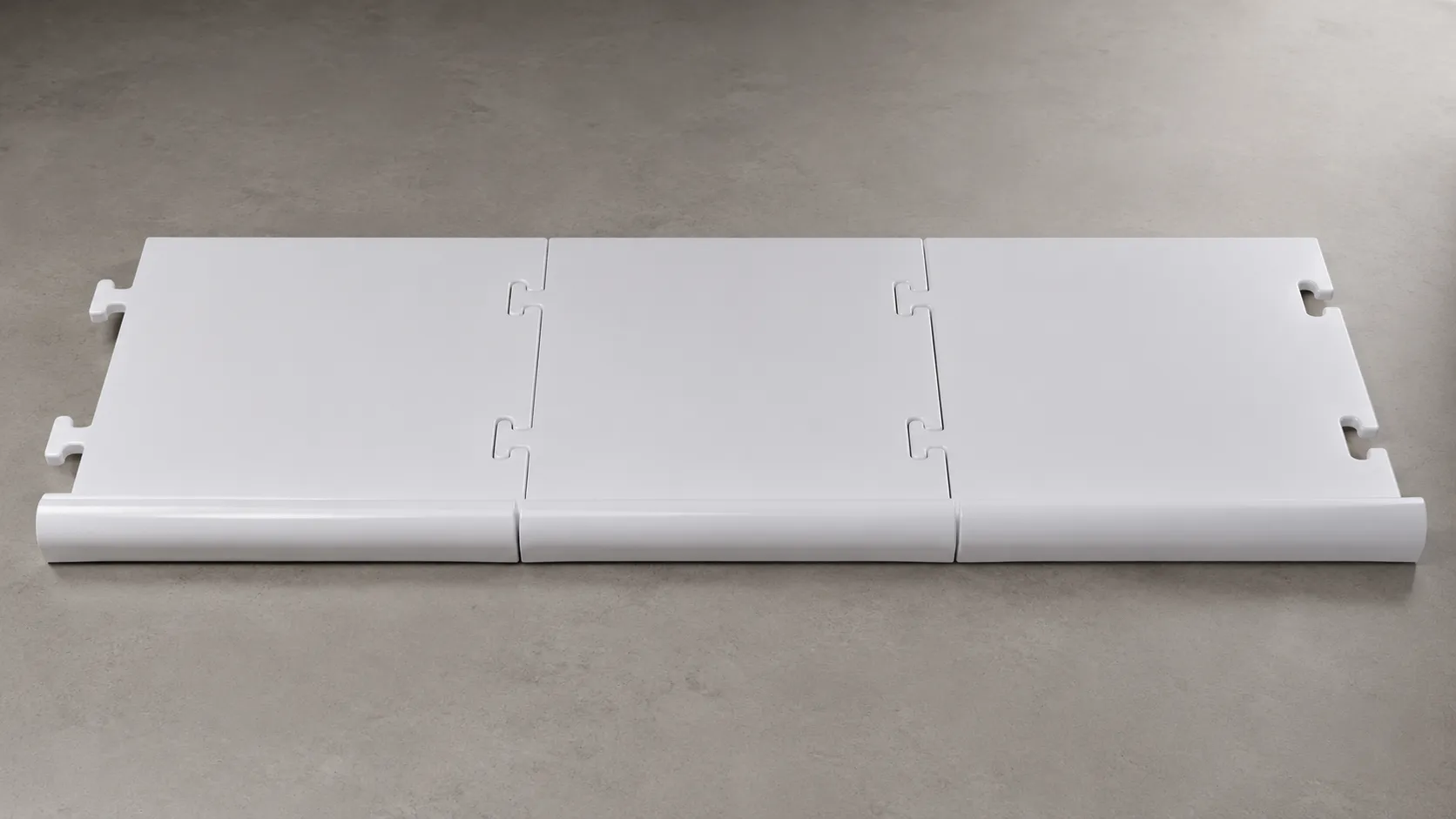
White HIPS 1.5 mm · functional prototypes
PROJECT ASSESSMENT
Complete technical documentation is not required for an initial assessment, but the more precise the starting information, the more reliably manufacturing feasibility can be evaluated.
A technical drawing or digital 3D model is the most useful starting point. If documentation is not available, the starting point can be a physical sample, a photograph with basic dimensions or a description of the requirement.
In addition to geometry, it is useful to provide the intended use of the part, approximate required quantity and any requirements relating to material, colour, transparency, finishing or fit with other components.
You do not need to know in advance whether thermoforming is the right process. This is assessed based on the specific product and requirements.
SEND AN ENQUIRY
Send us the basic information about the part you need. Based on its geometry, dimensions, intended use and required quantity, we can assess whether thermoforming is suitable and define the required next steps.
Send an enquiry